Non-Fiction
· Non-Fiction / Popular History · Chinese Thinking #6
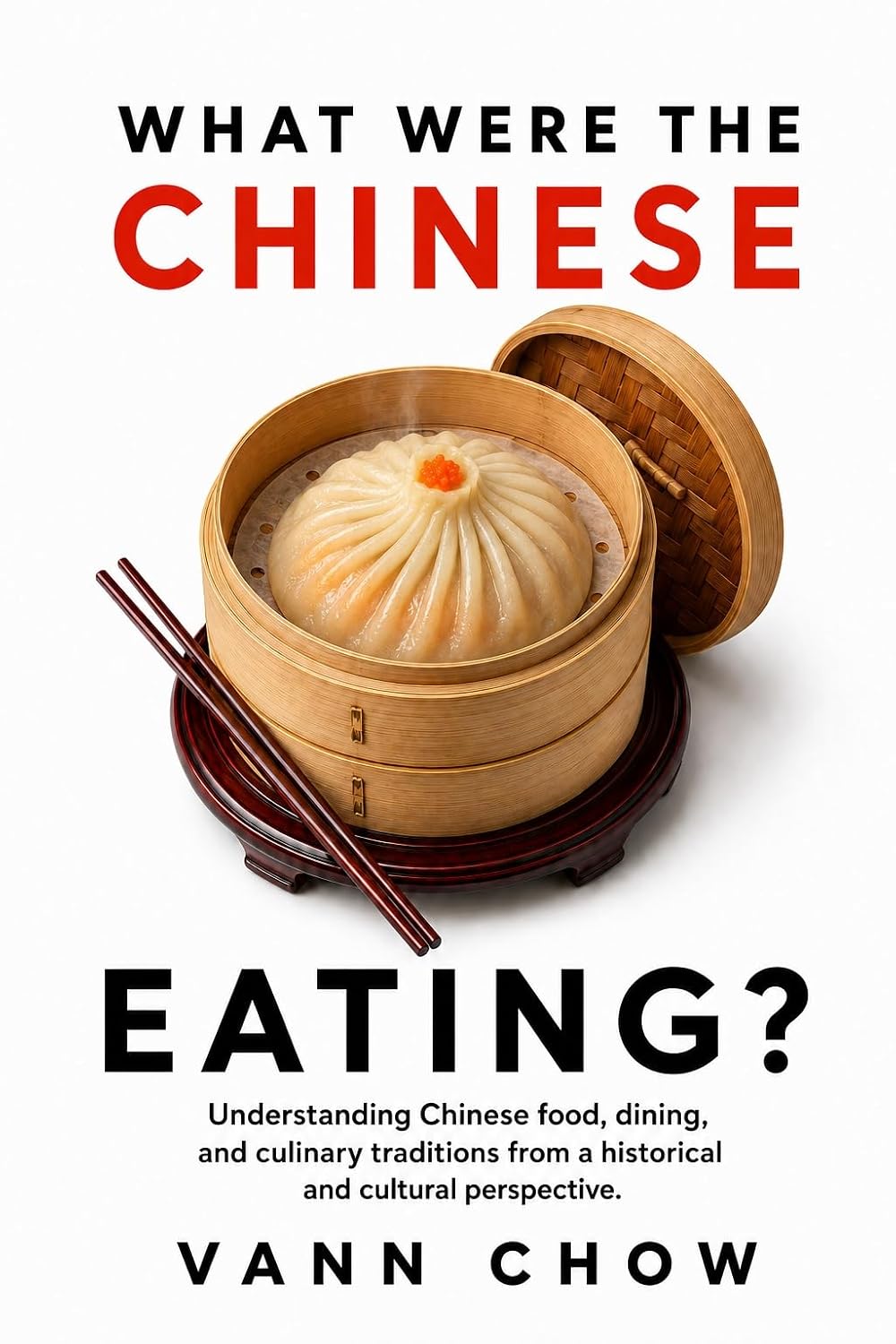
What Were The Chinese Eating?
Buy on Amazon
What Were the Chinese Eating? tells the story of China through its dinner table — how a line running roughly down the middle of the map, wet rice country to the south and dry wheat and millet country to the north, quietly built two different civilizations that have been arguing about the correct shape of a dumpling ever since.
This is food as geography with consequences. A river that floods on schedule breeds an empire of rice paddies, standing water, and villages that have to cooperate or drown together. A dry northern plain breeds wheat, noodles, and a harder, more mobile kind of hunger. Trace the story further and the plate keeps rewriting itself: soybeans transformed into a food group of their own out of sheer necessity, a drink brewed for medicine that became the reason Britain went to war, camel caravans hauling spices and techniques across deserts that had no business meeting, and a chili pepper that arrived from the other side of the planet and somehow became the taste people now call authentically Sichuan.
Dynasties rose and fell over granaries. Famine rerouted entire populations, and with them, entire cuisines. Court banquets turned eating into a display of imperial power, while street food built the version of Chinese cooking that actually survived war, poverty, and migration to conquer the rest of the world. Every region's stubborn insistence that its food is the only correct food turns out to be a five-thousand-year argument about water, soil, trade routes, and who got there first.
Illustrated throughout, and written for anyone who has ever eaten something delicious without asking why it exists.
Suitable for readers who are into:
Chinese food history, world food history, culinary history, cookbook readers who like context, regional Chinese cuisine, tea history, the Silk Road, Chinese culture and traditions, food anthropology, illustrated history books, pop history, world history for curious readers, Asian history, migration and food, street food culture, banquet culture, agricultural history, fermentation and food science for general readers, armchair travel through food